The history of the carpet: a textile art woven across civilizations
The rug is much more than a decorative object: it is a precious witness to the history of civilizations. Since Antiquity, the handwoven rug , the knotted rug or the tufted rug They accompany human societies in their utilitarian, symbolic, and aesthetic aspects. From Central Asia at the contemporary textile art workshops, the handmade rug embodies a heritage of exceptional richness.
The origins: the rug in nomadic societies
The adventure of traditional rug Its use began in the steppes of Central Asia. Used to insulate floors or decorate tent walls, it quickly became an object of cultivation. The Pazyryk carpet , dating from the 5th century BC, is one of the oldest surviving examples of a knotted carpet. Among the most iconic carpets of this period, the kilim occupies a central position. This A flat rug , without pile, is carefully woven with geometric patterns bearing symbols related to nature, spirituality, or daily life. It is particularly widespread in Anatolia, the Caucasus, and Iran.
The golden age of the oriental rug
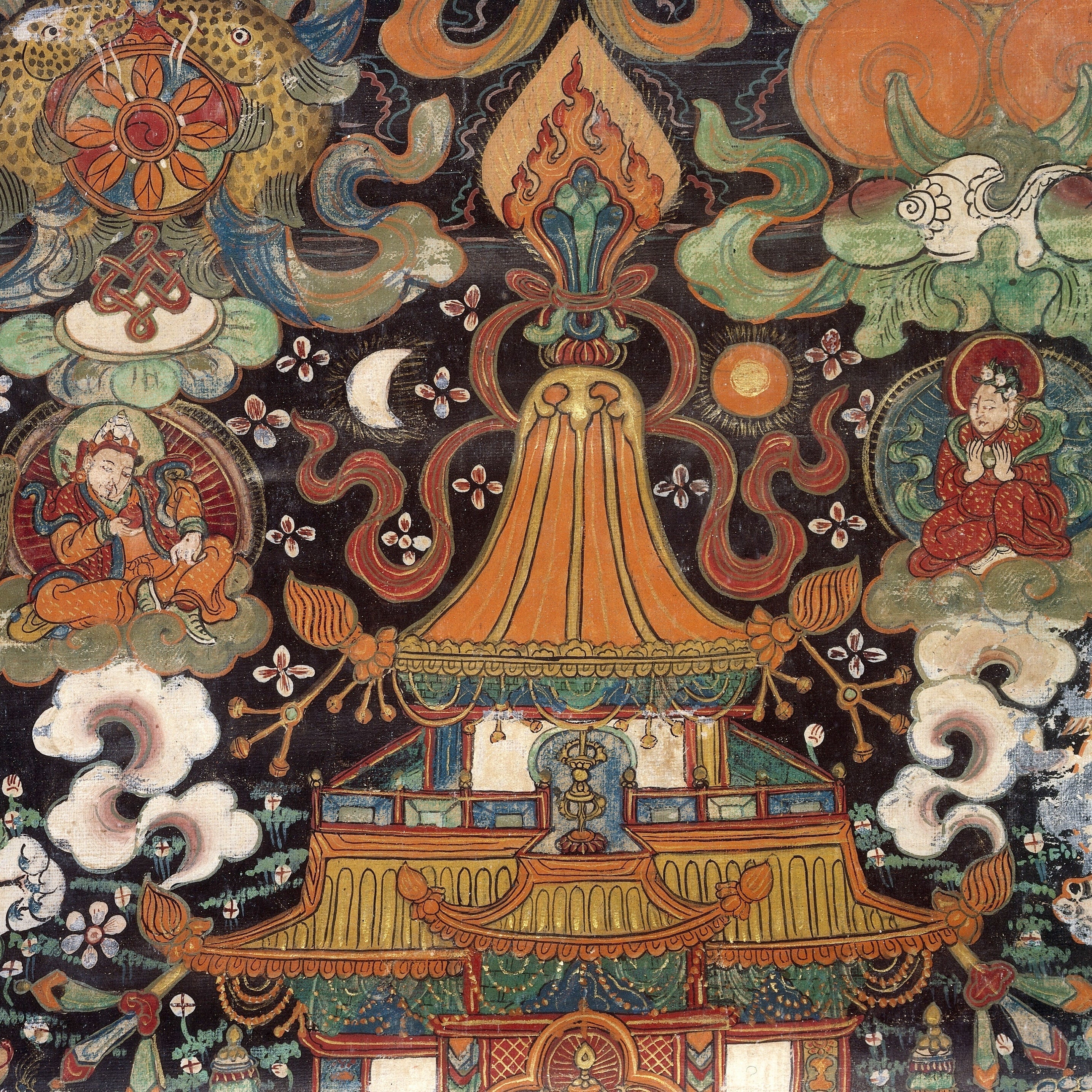
Between the 13th and 17th centuries, the art of oriental rug reaches its peak. Persian rugs They are distinguished by their floral motifs, meticulous compositions, and handcrafted production in imperial workshops. In Türkiye, the Ushak's rug and Hereke celebrate color and symmetry, while the Mughal carpets from India They incorporate local and Persian influences. luxury oriental rug It then became a true object of display, adorning mosques, palaces, and European salons. It established itself as a decorative rug of high cultural value.
In Europe: wall tapestries as a variation of the rug
In Europe, the use of wall rug develops in the form of tapestry from the Middle Ages. These Wall tapestries , woven from painted cartoons, depict religious, mythological, or historical scenes. French manufacturers such as the Goblins Or Aubusson become major production centers artistic wall hangings supported by patrons and royalty. This type of Woven wall tapestry embodies power, culture, and prestige.
The 19th century: democratization of the carpet
With the industrial revolution , the carpet becomes accessible to the bourgeoisie thanks to the rise of mechanical trades. This mechanization of the carpet weaving allows for faster production, without sacrificing the diversity of styles: neoclassical rug , Floral patterned rugs , or even Oriental-inspired rugs . World's fairs played a key role in disseminating know-how, making the decorative rug an essential element of interior design .
The 20th century and the advent of the tufted carpet
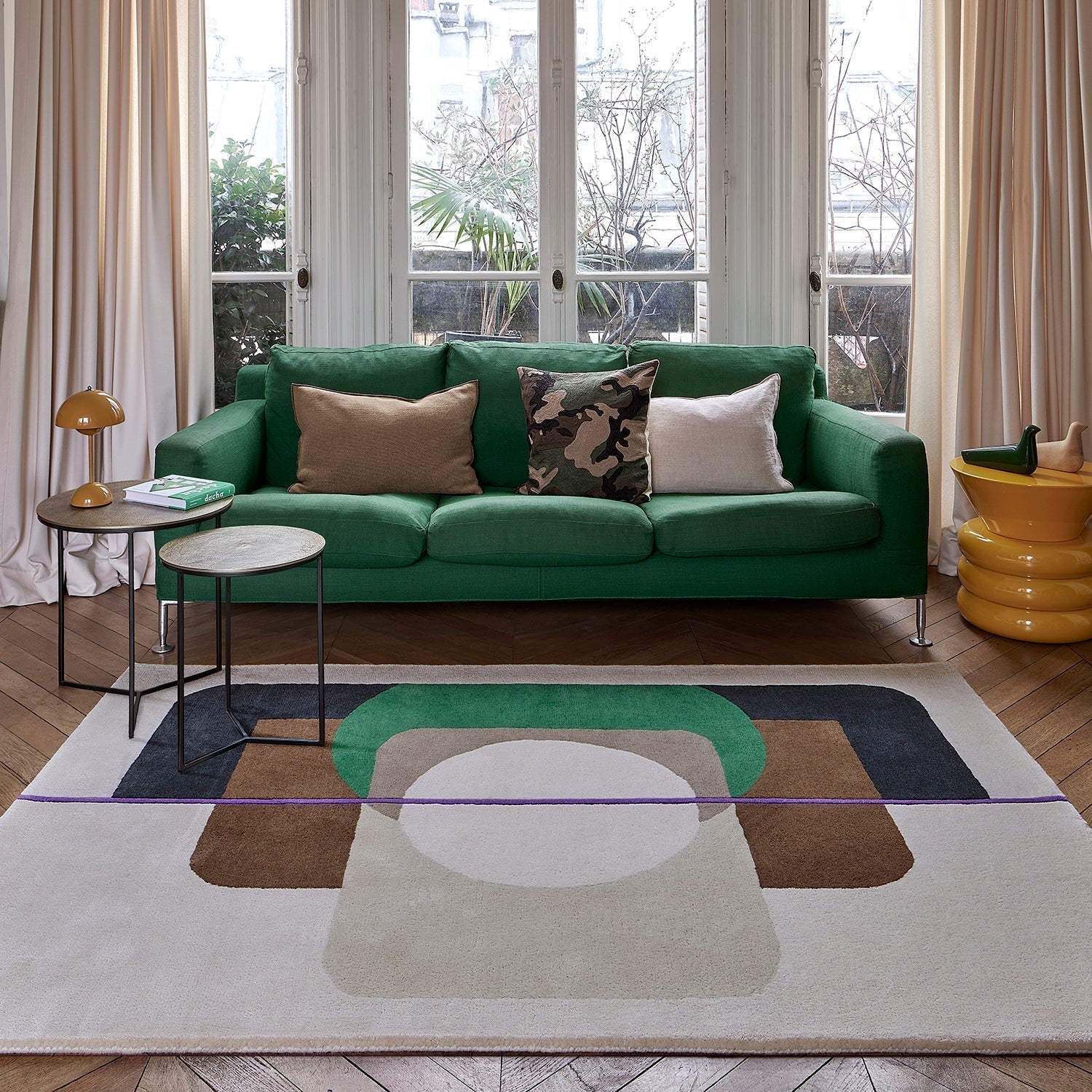
The 20th century marked a turning point with the emergence of the Tufted rug , an innovative technique where wool or silk threads are inserted into a canvas using a mechanical gun. This process liberates creativity: the contemporary tufted rug becomes a platform for expression for artists and designers such as Sonia Delaunay Or Jean Lurçat , who explored abstraction and narrative through the wool rug or the silk rug .
Today: between tradition and innovation
Today, the contemporary rug continues to reinvent itself. Craftsmen are reconnecting with the traditional techniques hand-knotting, while designers explore the sculptural forms , the graphic patterns or the The carpets are engaged . The modern rug , whether handwoven, tufted Or Digitally printed , it combines technological innovation and cultural heritage. It comes in various forms. custom-made rugs art rug , contemporary wall rug Or designer rug according to aesthetic and functional needs.

Conclusion: a living textile art
THE carpets , in all their forms – kilim , hand-knotted rug , tufted rug , decorative wall rug – embodies a textile art form in its own right. It transcends eras and continents, carrying stories, symbols, and know-how. A true work of art, the designer rug remains a living object, between artisanal tradition and creative modernity.